






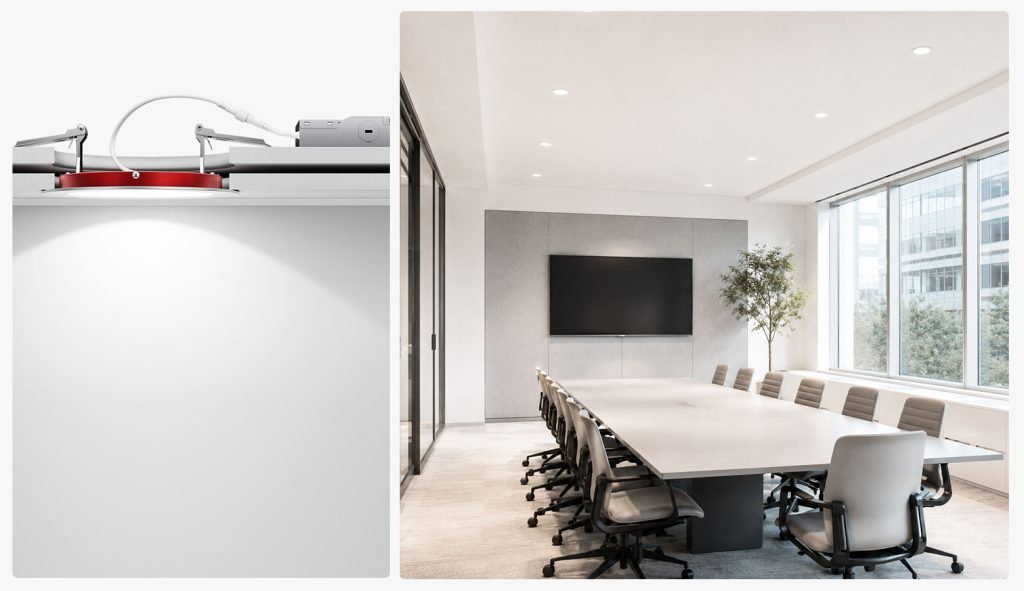
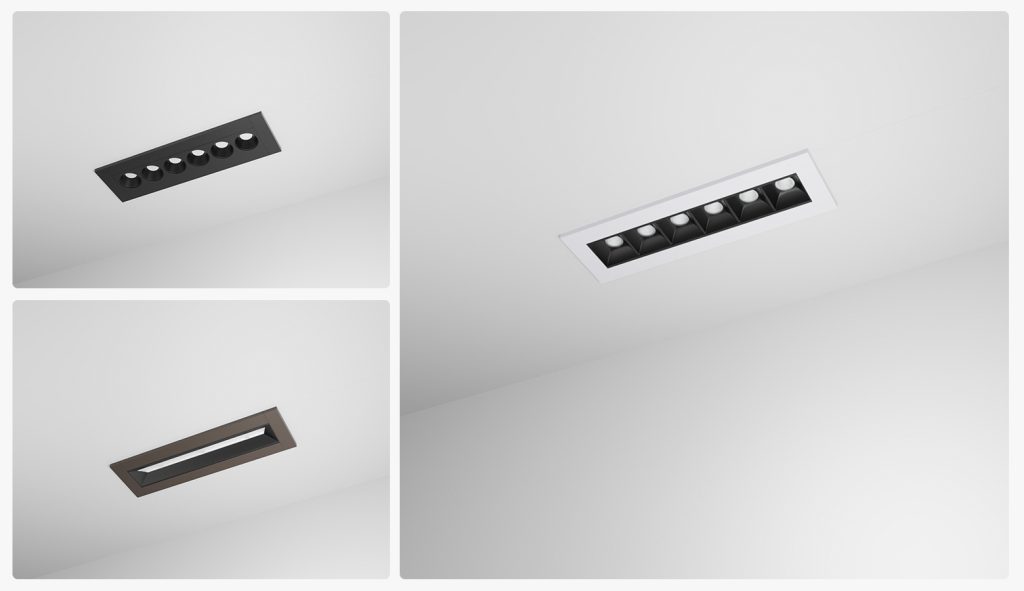
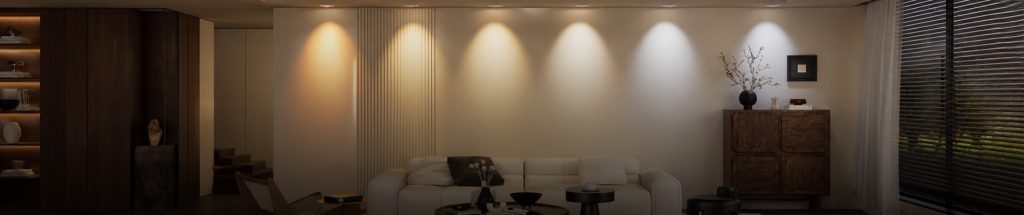
| CCT range | Visual character | Common applications |
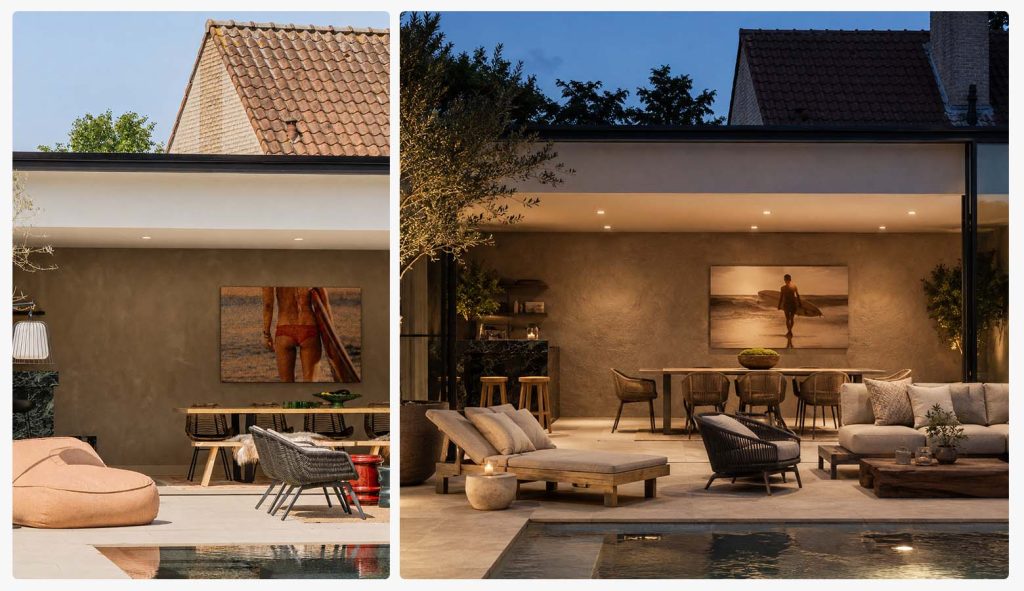
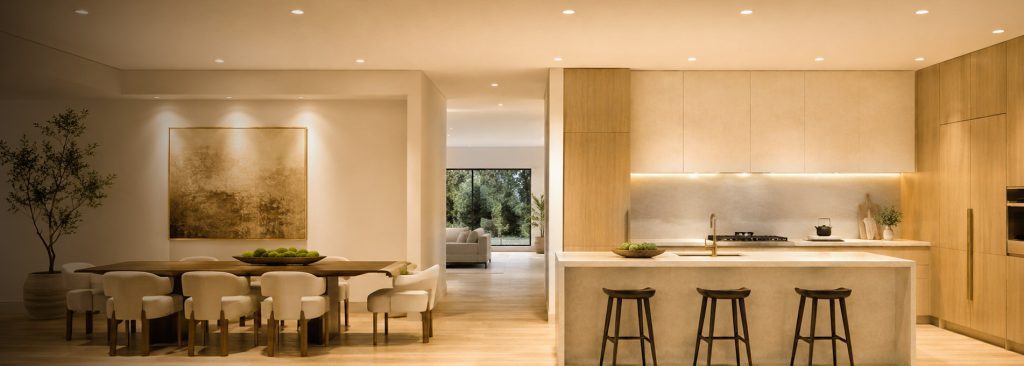
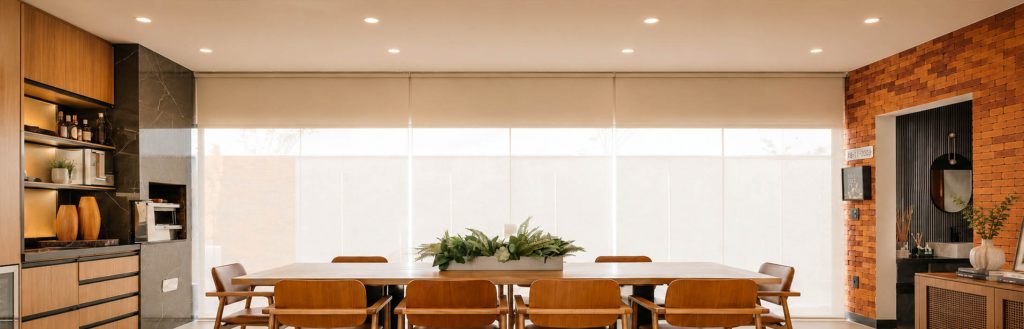
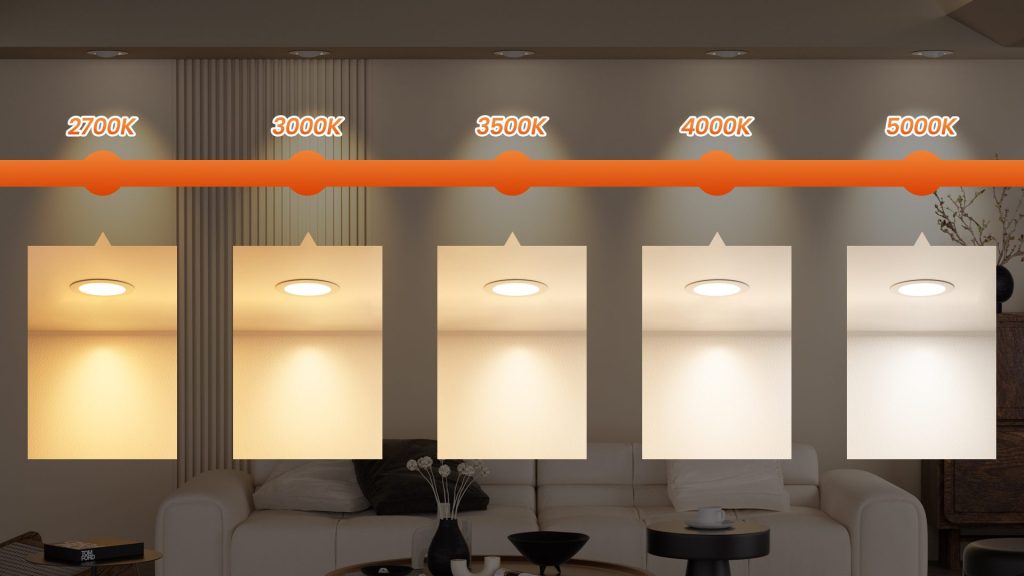
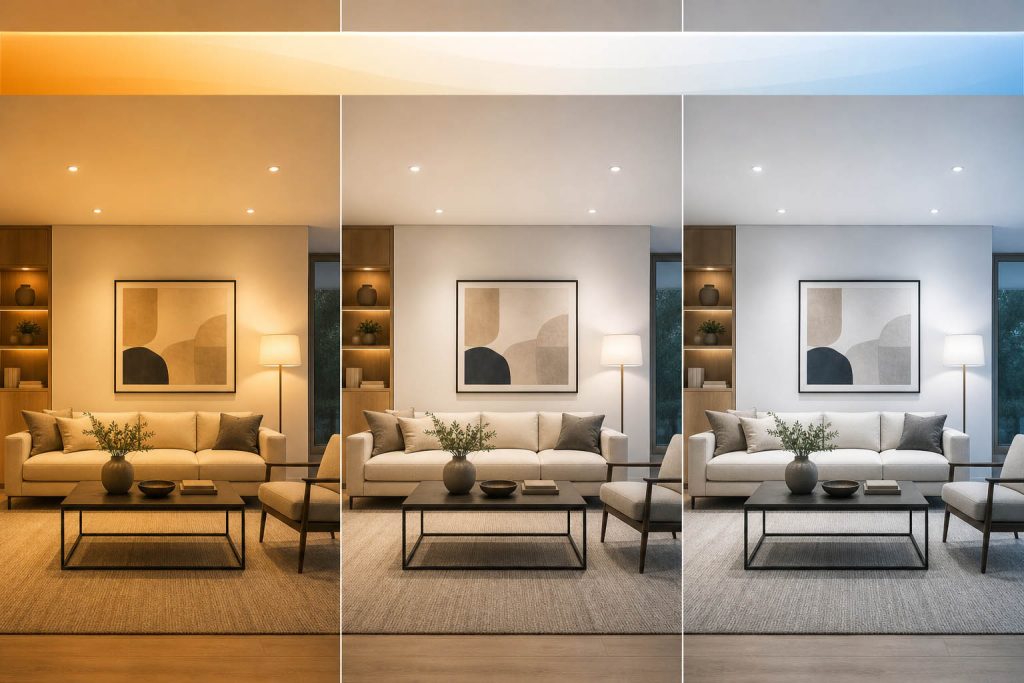
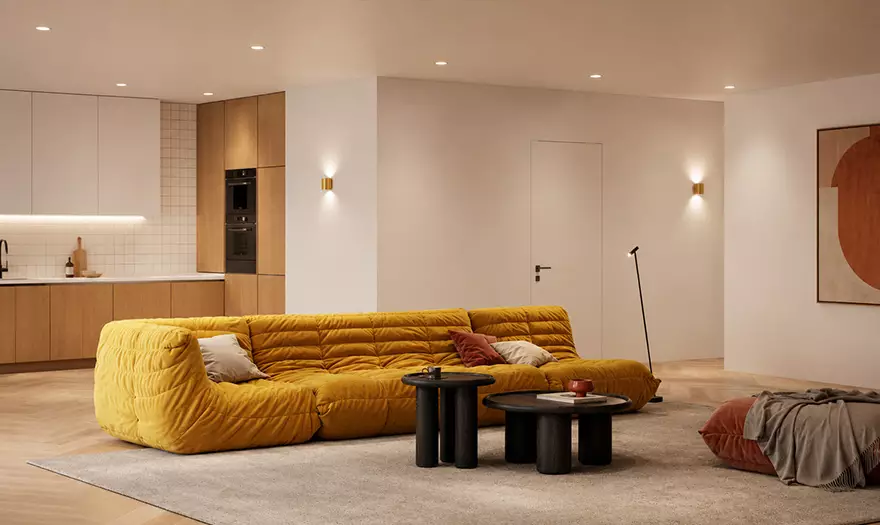
| 2700K–3000K | Warm, relaxed, residential | Bedrooms, living rooms, restaurants, hospitality |
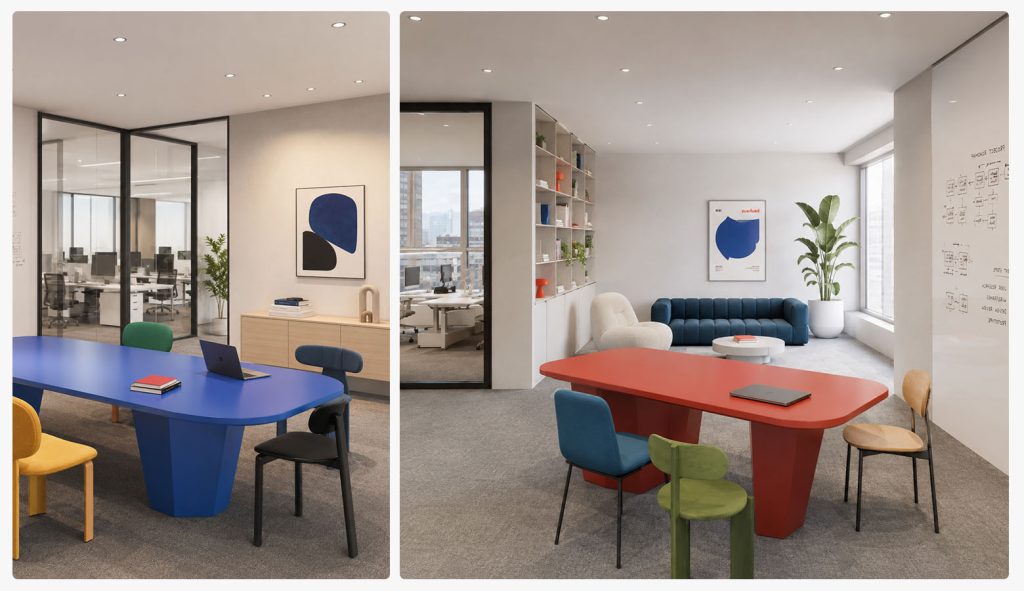
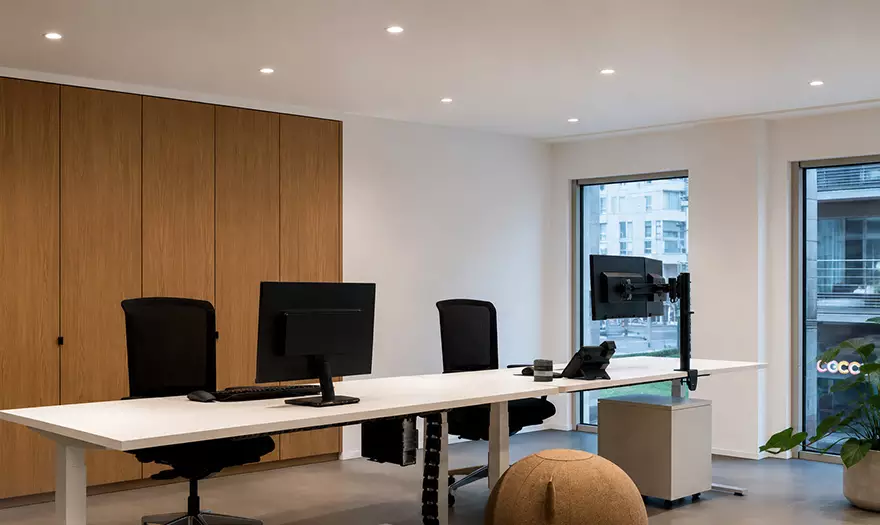
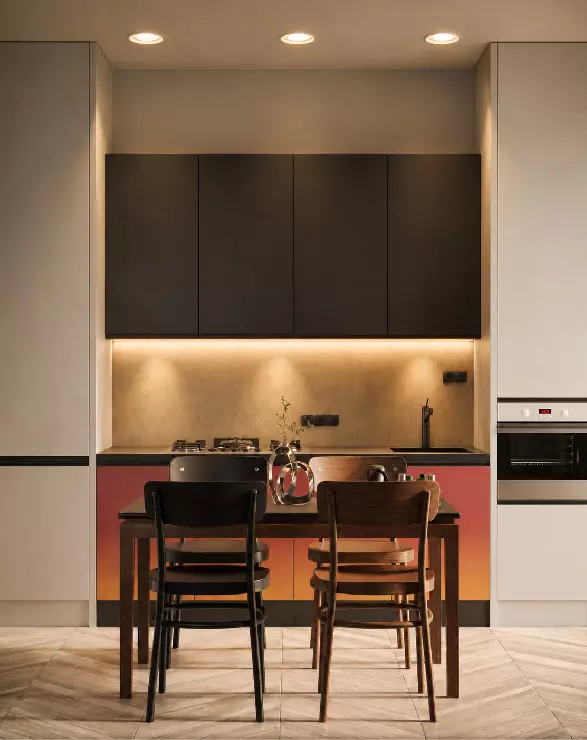
| 3500K | Balanced or neutral | Kitchens, offices, retail, multipurpose spaces |
| 4000K and above | Cooler, more alert | Work areas, garages, utility rooms, some commercial settings |


Frequently Asked Questions (FAQ)
1. Are more lumens always better?
No. Higher lumen output can be beneficial in large spaces or task-focused areas, but excessive brightness may cause glare, visual discomfort, or over-lighting. Choose the appropriate lumen output based on room size, ceiling height, fixture spacing, surface reflectance, and lighting requirements.
2. Is a 60° beam angle suitable for general lighting?
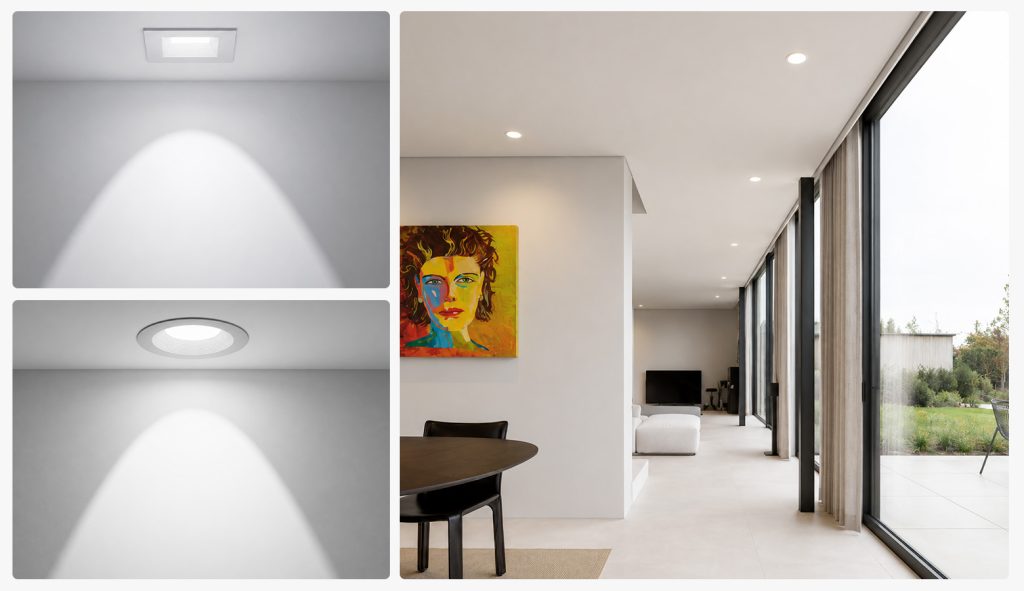
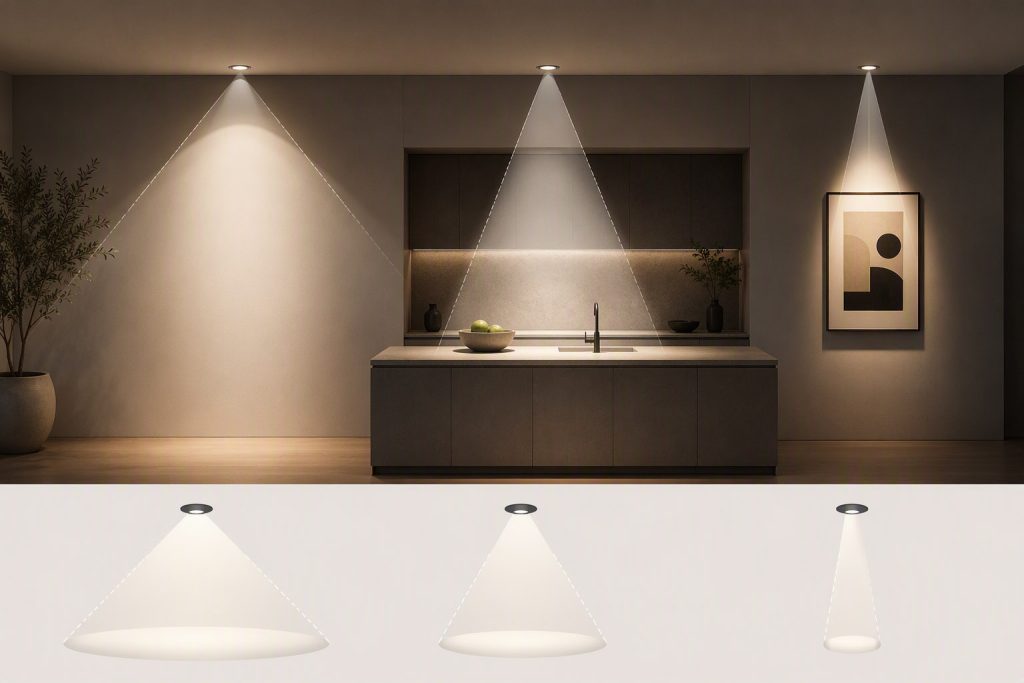
Yes. A 60° beam angle can be a useful starting point for many general-lighting applications. The ideal beam angle depends on ceiling height, fixture spacing, lumen output, and the desired light distribution and uniformity.
3. Is a 25° beam angle suitable for a kitchen counter?
Yes. A 25° beam angle can provide focused task lighting for kitchen counters and work surfaces. However, consider the fixture position, aiming direction, and glare control. A wider beam angle may provide more uniform coverage across longer counters.
4. Can every LED downlight be installed in direct contact with insulation?
No. Only products with the appropriate insulation-contact rating or approval should be installed in direct contact with insulation. Always follow the product label, installation instructions, and applicable local electrical codes.
5. Does IC-4 mean the same thing in every country?
Not necessarily. Product markings, testing standards, and certification requirements vary by market. Always verify the specific certification and applicable local building and electrical codes.
6. Does a higher CCT make a light brighter?
Not necessarily. Correlated Color Temperature (CCT) describes the apparent warmth or coolness of white light, not its actual light output. Perceived brightness can vary with spectrum, contrast, illuminance, and surrounding conditions.
7. What is the difference between CRI and CCT?
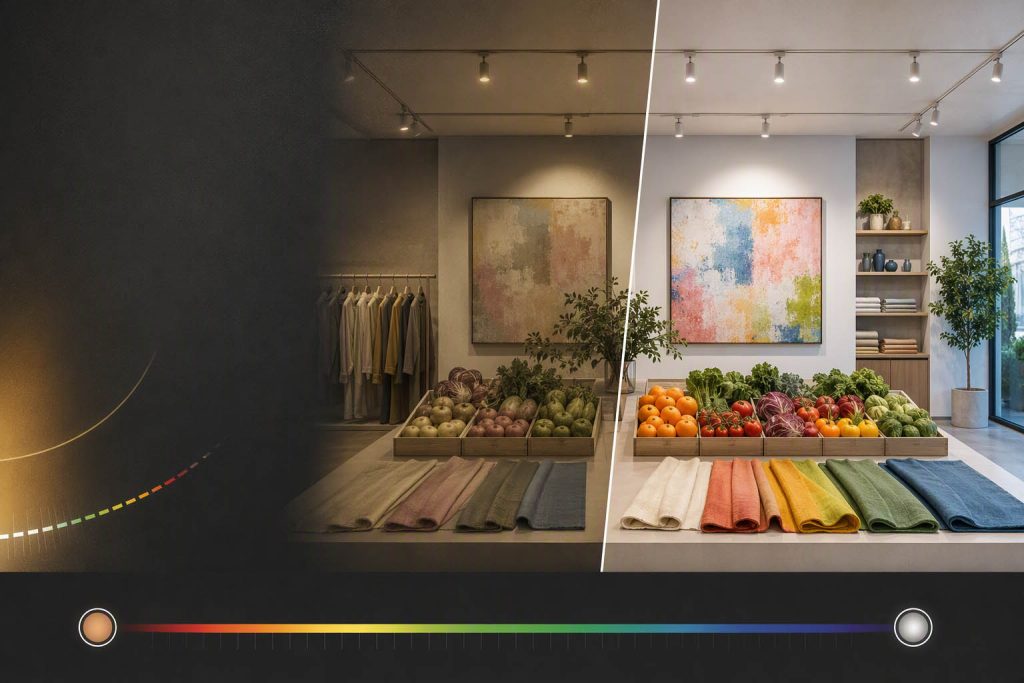
CCT describes the color appearance of a light source, ranging from warm white to cool white. Color Rendering Index (CRI) measures how faithfully the light source reveals object colors compared with a reference source. Both are important when selecting lighting for a specific application.
8. Is CRI 80 good enough for general lighting?
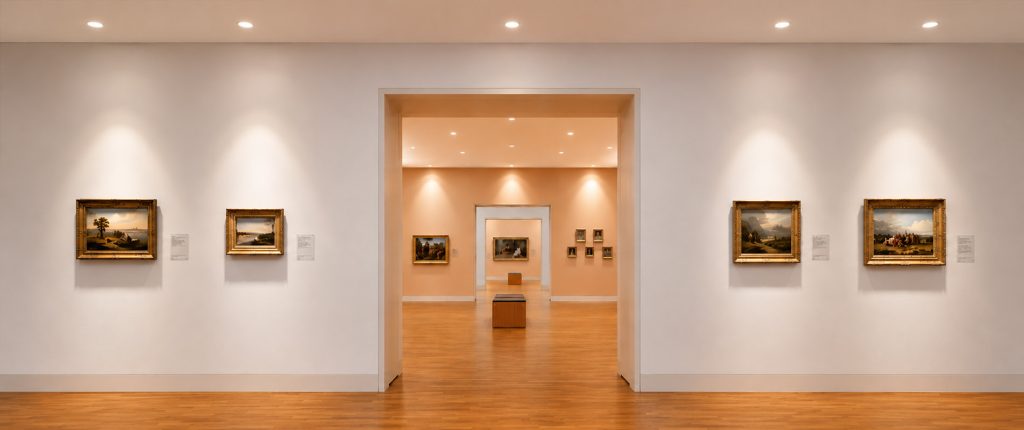
Yes. CRI 80 is a practical baseline for many general interior applications. For retail displays, artwork, food presentation, and other applications where color accuracy is important, a higher CRI may be preferable.
9. Is CRI 90 better than CRI 80?
Generally, a higher CRI indicates better average color fidelity. However, the general CRI score does not describe every color equally. For color-critical applications, consider additional metrics such as R9 and TM-30.
10. Does a higher CRI make a light brighter?
No. CRI measures color fidelity rather than brightness. Brightness and illumination depend on factors such as lumen output, illuminance, beam distribution, and installation conditions.
11. Why is R9 important?
R9 measures how accurately a light source renders saturated red colors. It is particularly relevant for applications involving skin tones, fresh food, textiles, artwork, photography, and video. A high R9 value can indicate better red-color rendering even when two light sources have similar general CRI ratings.
12. What is TM-30?
TM-30 is an advanced method for evaluating light-source color rendition. Its key metrics include Rf, which measures color fidelity, and Rg, which describes changes in color saturation. These metrics provide additional information beyond the general CRI score.
13. Can two lights with the same CRI look different?
Yes. Two light sources with the same CRI can have different spectral distributions and render individual colors differently. For color-sensitive applications, compare CCT, R9, TM-30 metrics, color consistency, and actual lighting samples.
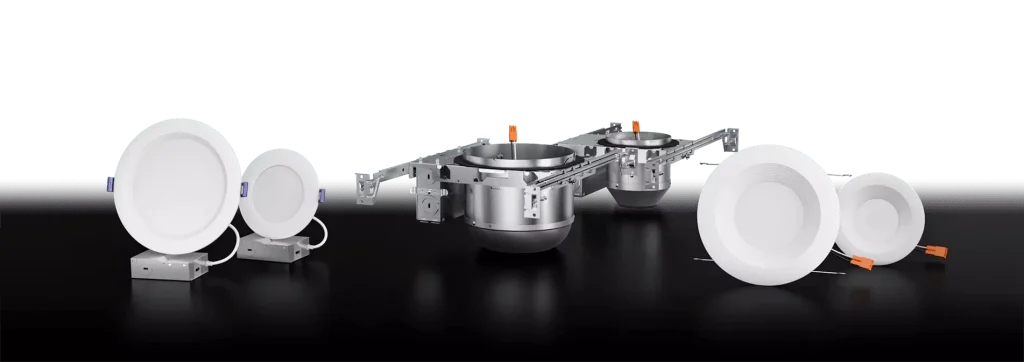
14. Can I use OMD retrofit LED downlights in a bathroom?
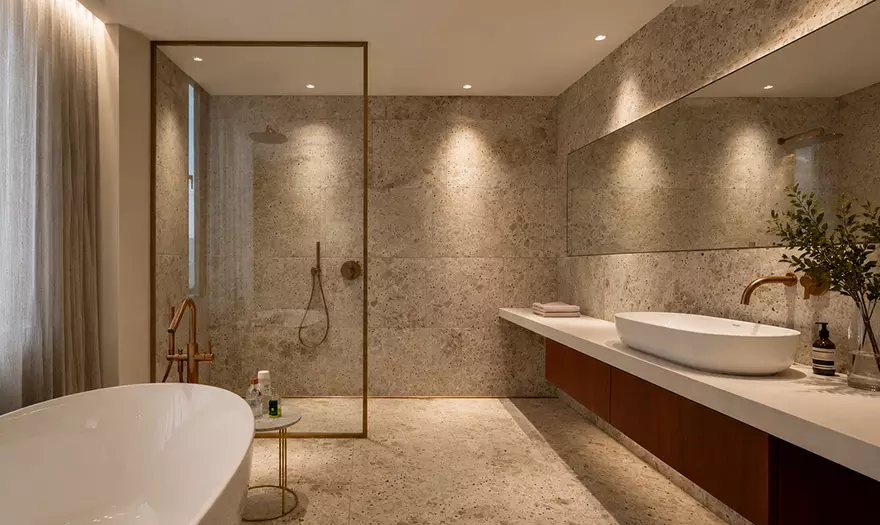
Yes, provided the specific product is rated for the intended wet or damp location. Always check the fixture’s location rating and installation instructions before using it in bathrooms, showers, or covered outdoor areas.
15. Do I need an electrician to install OMD retrofit LED downlights?
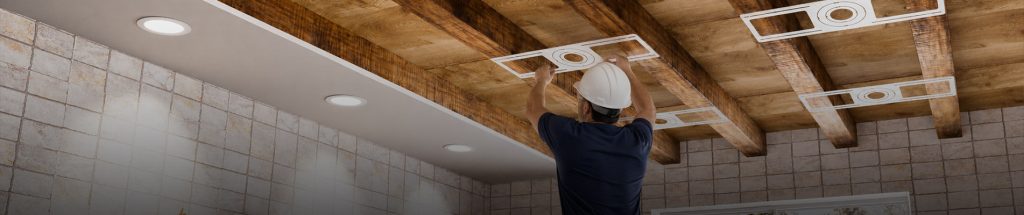
Installation requirements depend on the existing wiring, housing, connector type, and local electrical codes. Compatible plug-and-play models may simplify installation, but power must be disconnected before installation. Consult a qualified electrician if you are unsure about wiring or compatibility.
16. Will OMD LED downlights flicker when dimmed?
Dimming performance depends on the specific fixture, driver, dimmer model, and operating conditions. Check the product’s dimmer compatibility list and technical specifications. For critical applications, test the fixture with the intended dimmer to confirm smooth, stable dimming and acceptable flicker performance.